Timeline - Events
The chronology of events leading to the birth of the United States is marked by groundbreaking moments and decisive actions that forever altered the course of history. Beginning with early protests against oppressive taxes and culminating in the bold adoption of the Declaration of Independence on July 4, 1776, each key event represents a collective move toward freedom and self-governance. This timeline captures the gradual progression from colonial discontent to a unified call for independence. Milestones such as the convening of the Continental Congress in 1774, the fierce battles at Lexington and Concord on April 19, 1775, and the pivotal victory at Saratoga on October 17, 1777, serve as turning points in a dramatic narrative. Every date here offers a window into the rich, intense journey that transformed a cluster of colonies into a nation.
By exploring this timeline, visitors can gain a comprehensive understanding of the chronological order and the significance of these events, each enriched by context and external resources. For example, the period leading to the Revolutionary War is illustrated with vivid imagery and supplemented with links to resources such as the Library of Congress and History.com. In addition, multimedia content—like video documentaries from PBS and other reputable channels—brings these historical narratives to life. This page is designed not only to inform but also to provide direct access to in-depth explorations through external links, ensuring a deeper appreciation of the struggle for independence and the birth of a new nation.
Key Events:
-
1774: The First Continental Congress convened in Philadelphia.
The Continental Congress was the governing body by which the American colonial governments coordinated their resistance to British rule during the first two years of the American Revolution. The Congress balanced the interests of the different colonies and also established itself as the official colonial liaison to Great Britain. As the war progressed, the Congress became the effective national government of the country, and, as such, conducted diplomacy on behalf of the new United States. Learn more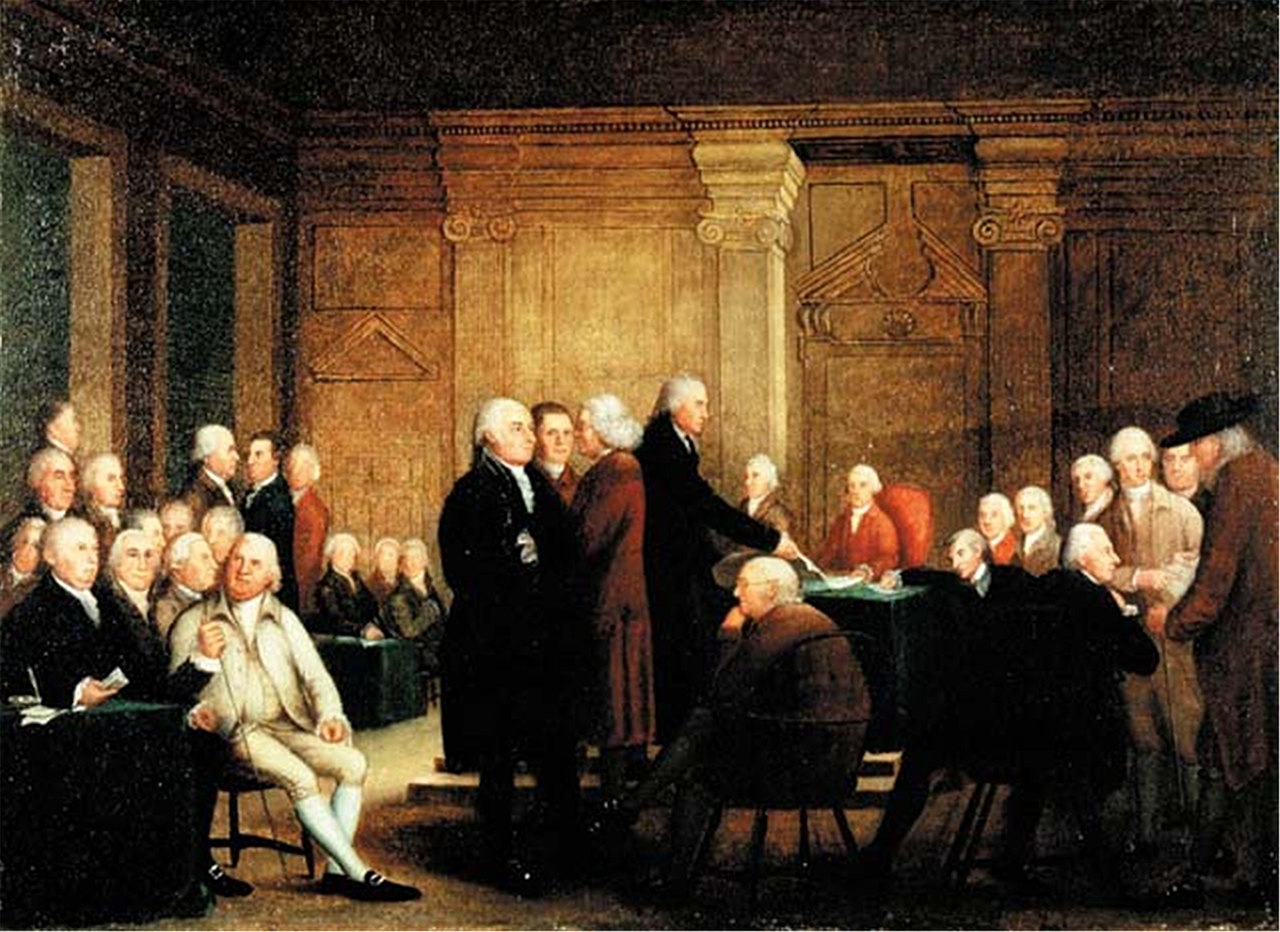
-
April 19, 1775: Battles of Lexington and Concord ignited the Revolutionary War.
The Battles of Lexington and Concord on 19 April 1775, the famous ‘shot heard ‘round the world’, marked the start of the American War of Independence (1775-83). Politically disastrous for the British, it persuaded many Americans to take up arms and support the cause of independence. Learn more
Lexington and Concord -
July 4, 1776: The Declaration of Independence was adopted, marking the birth of a
nation.
The unanimous Declaration of the thirteen united States of America, When in the Course of human events, it becomes necessary for one people to dissolve the political bands which have connected them with another, and to assume among the powers of the earth, the separate and equal station to which the Laws of Nature and of Nature's God entitle them, a decent respect to the opinions of mankind requires that they should declare the causes which impel them to the separation.Learn more
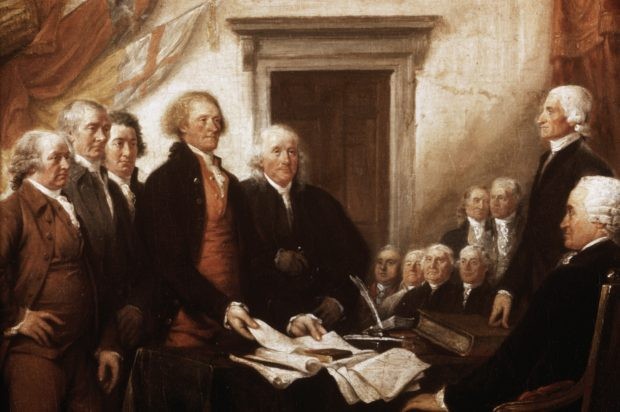
In Congress, July 4, 1776 -
October 17, 1777: The victory at Saratoga became a turning point in the Revolutionary
War.
In 1777, a large British invasion force met an equally large American army here at Saratoga. After two intense battles, an eight-mile retreat, and a three-day siege, British General John Burgoyne surrendered his entire force. This first ever surrender of a British Army is one of the pivotal moments in determining the outcome of the Revolutionary War, forever changing the future of the world Learn more
Documentary Video
Watch this comprehensive documentary on the American Revolution to gain a detailed understanding of these pivotal events.